IRS Reform · Pending Legislation

The TAS Act
Senate Committee Just Voted to Rebuild How the IRS Treats You

On July 30, 2026, the Senate Finance Committee approved the Taxpayer Assistance and Service Act 26-1. It is not law yet. Here's what the bill actually changes, what's still ahead of it, and what expats should do while it works through Congress.

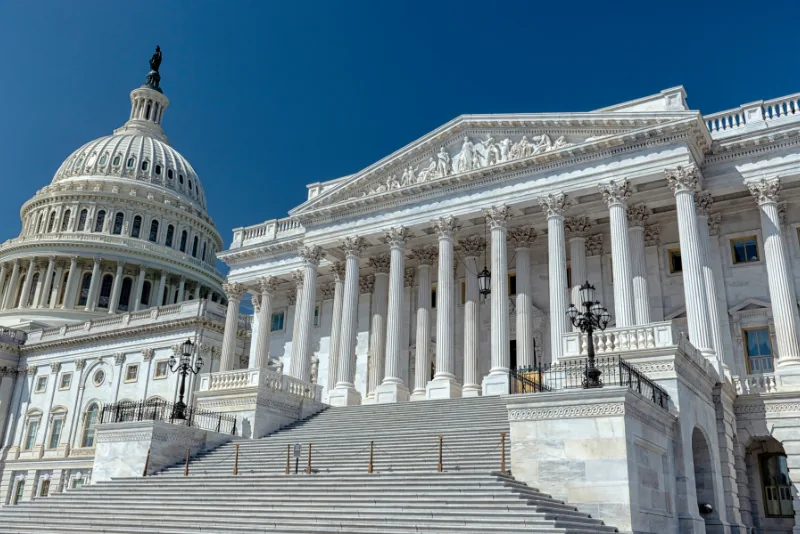
The US Senate wing of the Capitol building, where the Finance Committee approved the TAS Act
Published: July 31, 2026 | 8 min read

A Committee Vote, Not a New Law

On July 30, 2026, the Senate Finance Committee voted 26-1 to advance the Taxpayer Assistance and Service Act, known as the TAS Act (S. 3931). Chairman Mike Crapo (R-ID) and Ranking Member Ron Wyden (D-OR) built the bill largely around recommendations from the National Taxpayer Advocate's annual Purple Book. That bipartisan margin is genuinely rare for a tax bill, and it is the reason the TAS Act is getting attention from KPMG, BDO, Grant Thornton, and tax-controversy firms this week.

Here is the part that gets glossed over in the headlines: a committee vote is one step, not the finish line. The bill still needs a floor vote in the full Senate, then a companion process in the House, before it reaches the President's desk. A 26-1 committee margin makes floor passage likely, but "likely" is not "law." Anyone telling clients or readers the TAS Act is now in effect is describing a bill that, as of this writing, has not been signed by anyone.

American flag with currency, representing federal legislation moving through Congress

What the Bill Actually Changes for Customer Service

Title I of the TAS Act is aimed squarely at the parts of dealing with the IRS that expats already know are broken: the phone lines, the paper backlogs, and the black hole that swallows correspondence sent from overseas.

Public Dashboard: A live tool on IRS.gov would report phone call volumes, average wait times, and paper processing backlogs, the same kind of transparency the Postal Service and airlines already publish for their own delays.

Live data dashboard on a screen, representing the proposed public IRS wait-time and backlog tracker

Callback Technology: By 2028, every IRS phone line would need an automated callback option once hold times pass five minutes. For an expat calling from a time zone twelve hours off from Eastern time, this alone could be the most useful line in the bill.

Expanded Digital Access: Online taxpayer accounts would show up to six years of prior returns, notices, and correspondence history, up from the current, far thinner window. That matters most for anyone who has ever had to reconstruct a filing history from Bangkok or Dubai without access to a US mailbox.


Taxpayer Protections: Hardship Notices, OIC, and Fee Relief

The second half of the bill deals with what happens once the IRS is already collecting from you, and this is where the TAS Act moves from "convenience" to "consequence."

Hardship Notices: The IRS would be required to proactively notify individuals at risk of severe economic hardship about collection alternatives that already exist, currently-not-collectible status, installment agreements, offers in compromise, instead of leaving taxpayers to discover them by accident or through a paid preparer.

Offer in Compromise Streamlining: Routine OIC settlements currently require a written Chief Counsel opinion in cases above certain thresholds under IRC § 7122(b), a mandate that slows down cases that were never legally complicated in the first place. The bill removes that requirement for routine cases, which should shorten the OIC review cycle meaningfully.

A couple signing documents with a tax advisor, representing hardship notices and Offer in Compromise relief

Fee Adjustments: Installment agreement user fees would be eliminated for low-income and otherwise vulnerable taxpayers, a small dollar figure per case but a real one for someone already choosing between a payment plan and rent.

What This Doesn't Fix

Nothing in the TAS Act, as it stands after committee, changes the substance of what expats owe. It does not touch the Foreign Earned Income Exclusion cap, FBAR thresholds, FATCA reporting, or the Streamlined Filing Compliance Procedures. It is a service and process bill, not a tax-relief bill. A faster callback line does not reduce a Self-Employment Tax bill, and a public wait-time dashboard does not change an FBAR penalty exposure.

It is also silent on the specific pain points international filers raise most often: no IRS office abroad, no dedicated overseas phone line separate from the domestic queue, and no extension of the callback mandate to the International Taxpayer Service line specifically. Those gaps may get addressed in floor amendments, or they may not.

What Expats Should Actually Do While This Is Pending

Do not wait for the TAS Act to file, and do not assume the current backlog and phone-hold reality will improve before your own deadlines arrive. Even in the most optimistic timeline, floor votes and reconciliation with a House companion bill take months, and the earliest operational provisions (like the callback mandate) are not required until 2028.

If you already have an open issue with the IRS, a missed FBAR, an unresolved notice, an installment agreement you can't afford, the practical fix today is the same one that existed before this bill: Streamlined Filing Compliance Procedures for unfiled foreign accounts, a properly documented Offer in Compromise request, or a hardship (currently-not-collectible) filing through a preparer who can reach the Taxpayer Advocate Service directly rather than the general phone queue.

The TAS Act is worth tracking because it signals where Congress thinks IRS administration is failing taxpayers abroad and at home. It is not worth waiting on. If your compliance issue exists today, it needs a resolution built on the rules in effect today.

Tax advisor consultation

Don't Wait on Congress

You Need a Specialist Now If

  • You Have an Unresolved IRS Notice: A public dashboard in 2028 doesn't help a notice sitting on your desk in 2026. That still needs a response now.
  • You Can't Afford an Existing Installment Agreement: The bill's fee waiver isn't law. A hardship (currently-not-collectible) request under existing rules is available today.
  • You're Pursuing an Offer in Compromise: The Chief Counsel review requirement is still in force until the bill passes. Filing correctly the first time avoids a second review cycle.
  • You Have Unfiled FBARs or Foreign Income: Streamlined Filing amnesty exists right now, independent of this bill, and it closes the moment the IRS contacts you first.
  • You're Calling the IRS From Overseas: The five-minute callback mandate doesn't take effect until 2028 at the earliest. Today's hold times require a different strategy.

TAS Act: Frequently Asked Questions

[ ] Status Check: Passed Senate Finance Committee 26-1 on July 30, 2026. Not yet voted on by the full Senate.

[ ] Next Step: A floor vote in the full Senate, then a House companion process, then a presidential signature.

[ ] Effective Date: None yet. The callback-technology mandate, if enacted as written, wouldn't apply until 2028.

[ ] What It Doesn't Change: FEIE caps, FBAR thresholds, FATCA reporting, and Streamlined Filing amnesty are all untouched by this bill.

Is the TAS Act law?

No. As of this writing it has cleared the Senate Finance Committee with a 26-1 vote. It still needs to pass the full Senate and the House, and be signed by the President, before any provision takes effect.

Who sponsored it?

Senate Finance Chairman Mike Crapo (R-ID), with Ranking Member Ron Wyden (D-OR) as the lead Democratic voice behind the markup. It has bipartisan cosponsorship, which is unusual for a standalone tax administration bill.

Does this reduce what I owe the IRS?

No. It's a service and process bill: customer service standards, transparency requirements, and collection procedure changes. It does not touch tax rates, exclusions, or reporting thresholds.

Will this fix IRS phone wait times for people calling from abroad?

It's aimed at that problem generally, the five-minute callback mandate and the public wait-time dashboard both address it, but the bill doesn't call out an international-specific phone line, and the callback requirement isn't due until 2028 even if enacted this year.

Should I wait for this bill before dealing with an existing IRS problem?

No. Unfiled FBARs, IRS notices, and installment agreement trouble need to be addressed under the rules that exist today. Streamlined Filing amnesty in particular closes the moment the IRS contacts you, regardless of what Congress does next.

Related IRS & Expat Compliance Topics

The FBAR Crackdown 2026

FATCA penalties and Streamlined Filing amnesty explained, none of it changed by the pending TAS Act.

The $120k Threshold: FEIE vs FTC Strategy

Choose between Foreign Earned Income Exclusion and Foreign Tax Credit for your actual tax bill.

Expat Tax Strategy 2026: The Complete Guide

Comprehensive overview of US expat taxes, including tax residency, FEIE, FTC, FBAR filing, and worldwide compliance requirements.

AI & The Modern Tax Agent 2026

How IRS algorithms detect unreported foreign accounts, separate from the customer-service upgrades in the TAS Act.

Don't Wait for Congress to Fix Your IRS Problem

The TAS Act is still pending. If you have an unfiled FBAR, an unresolved notice, or an Offer in Compromise to file, the rules in effect today still apply. Get a confidential review of where you stand.